I am making my way through Dacher Keltner’s book Awe: The New Science of Everyday Wonder and How It Can Transform Your Life. Keltner is a Psychology Professor at the University of California, Berkeley and his work has come up in other books I’ve read. In the beginning of Awe he shares, “In teaching happiness for more than twenty years, I have seen how much health and well-being we gain by being amazed at things outside ourselves. By finding awe. From our first breath to our last, awe moves us to deepen our relations with the wonders of life and to marvel at the vast mysteries that are part of our fleeting time here, guided by this most human of emotions.”
The book explores eight wonders of life that can bring us awe: moral beauty, collective effervescence, nature, music, visual design, spirituality and religion, life and death, and epiphany.
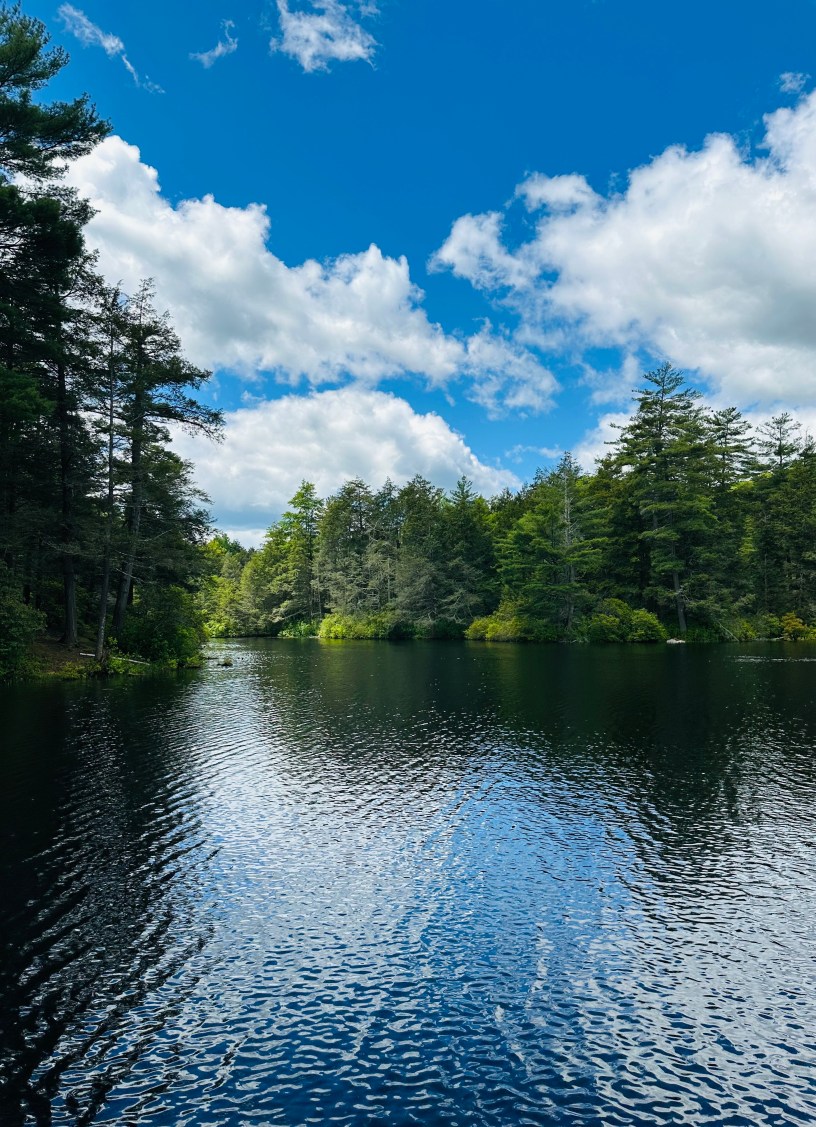
I have especially appreciated how he discusses awe in nature. (I haven’t gotten to the spirituality and religion chapter yet)! Keltner emphasized that it is hard to imagine a single thing that we can do that is better for both our bodies and our minds than to find awe outdoors. From his research, Americans often sense the Divine in nature. We often feel connected to something larger than ourselves when we are in God’s beautiful creation. This does not need to take place on a vigorous climb up a mountain either!
As Dacher Keltner shares, “When looking at the movement of a river, or hearing birdsong, or watching clouds, or sitting quietly amid a stand of trees, people feel as though a benevolent force is animating the life around them, which they are part of. In other research, people reported spiritual experiences in backpacking, birding, rock climbing, and surfing . . . Wild awe returns us to a big idea: that we are part of something much larger than the self, one member of many species in an interdependent, collaborating natural world.”
Sometimes we may find ourselves feeling overwhelmed. In recovery communities, there is an acronym that is often used to promote self-awareness called HALT. That is, are you Hungry, Angry, Lonely, or Tired? If so, do your best to address the underlying issue before making a decision you may regret later.
Perhaps with this in mind, we could wonder in those moments when we are in a mood and it’s all just too much, “Have I been outside lately?” We know we are not at our best when we are hungry, angry, lonely, or tired. Perhaps we are not at our best when we’ve been cooped up indoors for too long either. Feeling the sunshine, hearing the birds, observing the rain falling can put us more at ease and help us feel connected to something larger than ourselves. From our Christian perspective, I contend that “wild awe” connects us to God, to one another, to our best selves, and to God’s creation.
Love,
Pastor Lauren
Thursday Thoughts 5/29/25
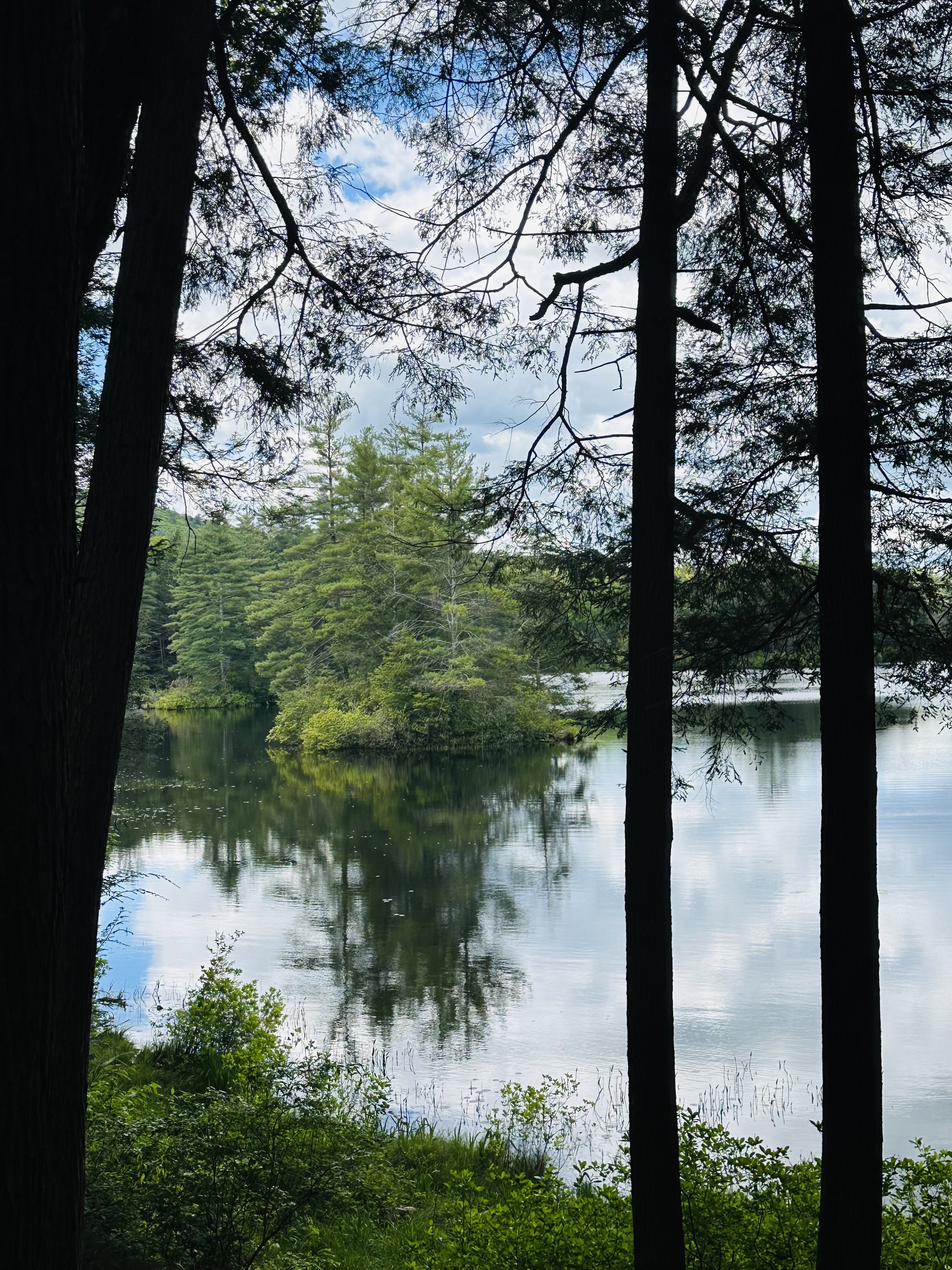
Photos by Rev. Lauren Ostrout of Bigelow Hollow State Park in Union, CT.
 Lauren Ostrout ~ on being made well